The Art of High-Low Travel: Epic Adventure Trips with Luxury Retreat Endings
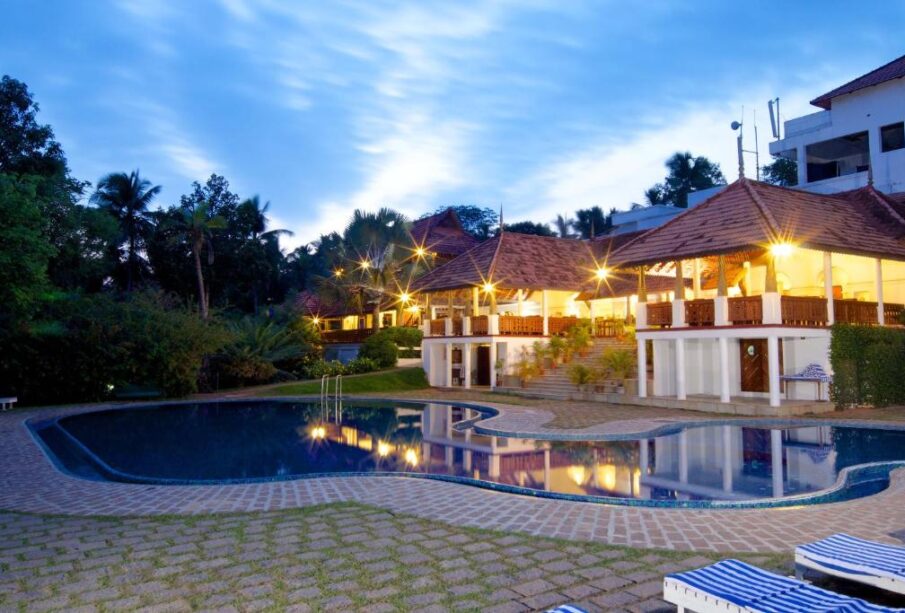
There is a distinct magic that happens when you push your physical limits against the raw elements of nature, knowing that a deep-soaking tub, a Michelin-starred meal, and a high-thread-count bed await you at the finish line. This style of travel, often called “high-low” or “adventure-luxury” trekking, has evolved from a niche preference into the ultimate way to experience the world.
For years, travel was divided into two distinct camps: the rugged back-country expedition where comfort was sacrificed for access, and the opulent resort stay where worldliness was traded for insulation from the local environment. Today, the modern traveler demands both. Combining high-endurance physical challenges with ultra-luxury rewards creates a powerful psychological contrast. The satisfaction of conquering a grueling mountain pass or navigating a wild river is infinitely amplified when the recovery period is spent in absolute indulgence.
Here are four meticulously designed itineraries across the globe that perfectly marry raw, untamed adventure with world-class luxury retreats.
Conquering the Inca Trail to an Andean Sanctuary
The classic trek to Machu Picchu is a rite of passage for adventurers. Dropping into the Sacred Valley of Peru, this journey tests your cardiovascular endurance with steep stone steps, high-altitude passes, and unpredictable mountain weather.
The Rugged Challenge: The Four-Day Trek
Spanning roughly 26 miles, the classic Inca Trail demands respect. You will hike through distinct eco-zones, from alpine tundra to lush cloud forests. The true test of endurance arrives on day two, where you must conquer Dead Woman’s Pass, sitting at an elevation of 13,779 feet above sea level. Every step requires deliberate breathing, and the steep descents over uneven Incan stonework challenge even the strongest knees. The reward is a deeply spiritual connection to the landscape, passing ancient ruins like Runkurakay and Sayacmarca that are inaccessible by train or vehicle.
The Luxury Reward: Sanctuary in the Cloud Forest
After passing through the Sun Gate and viewing the iconic citadel, the transition to luxury begins. Instead of boarding the crowded bus down to the tourist hub of Aguas Calientes, you check into the Sanctuary Lodge, the only hotel located directly adjacent to the citadel entrance.
This retreat allows you to experience the ancient city after the day-trippers have left and before the morning trains arrive. You can soothe your aching muscles with an outdoor massage overlooking the dramatic Huayna Picchu peak, dine on gourmet Peruvian cuisine made with ingredients grown in the sacred valley, and sleep in an environment of refined elegance surrounded by wild orchids and soaring mountains.
Ice and Fire: Patagonian Trekking to a Fjord-Side Oasis
Patagonia is synonymous with untamed wilderness. The sheer granite towers, massive glaciers, and unpredictable, gale-force winds of Southern Chile offer a playground for those seeking a true wilderness challenge.
The Rugged Challenge: Navigating Torres del Paine
The W-Trek or the full O-Circuit in Torres del Paine National Park requires navigating boulder-strewn moraines, crossing suspension bridges over roaring rivers, and trekking alongside the massive French Glacier. A typical day involves eight to ten hours of exposed hiking, carrying gear through microclimates that can shift from blinding sunshine to freezing rain within minutes. The physical toll is real, but the sight of the massive gray icebergs floating in glacial lakes provides an unparalleled adrenaline rush.
The Luxury Reward: A Sustainable Architectural Marvel
When the trek is over, you depart the trail and head toward the shores of the Last Hope Sound near Puerto Natales. Here lies Tierra Patagonia, an architectural masterpiece that blends seamlessly into the sweeping pampa.
Constructed entirely of local lenga wood, this luxury lodge features massive floor-to-ceiling windows that look out over the lake toward the very peaks you just conquered. The transition from the harsh elements to the warm, minimalist interiors is profound. Guests can indulge in the Uma Spa, featuring an indoor infinity pool that faces the mountains, a steam room, and an outdoor hydromassage tub. Evenings are spent enjoying locally sourced Magellanic lamb paired with exceptional Chilean Carmenere wines.
The Great Migration Foot Safari to a Private Reserve Cliffside
East Africa offers some of the most dramatic wildlife encounters on earth. While traditional vehicle safaris are the norm, a multi-day walking safari through the rugged bush elevates the adventure to a deeply visceral level.
The Rugged Challenge: Tracking on Foot in the Serengeti Ecosystem
Walking through the African bush means engaging all five senses. Led by expert Maasai guides and armed rangers, you track wildlife across tracking paths, riverbeds, and open savannah. Without the protection of a vehicle, you feel the true scale of nature. You learn to read the alarm calls of birds, identify the fresh footprints of lions, and navigate around herds of elephants or buffalo. The heat of the African sun, the dust of the plains, and the constant awareness required for safety make this a thrilling, physically demanding experience.
The Luxury Reward: A Cliffside Haven Above the Plains
Your trek culminates at Angama Mara, a lodge suspended mid-air on the edge of the Oloololo Escarpment, overlooking the Maasai Mara. The word “angama” translates to “suspended in the air” in Swahili, and the property delivers exactly that.
Each tented suite features a glass front offering sweeping views of the savanna below. After days of dusty trekking, you can wash away the wild in a deep freestanding bathtub, swim in a heated infinity pool overlooking the path of the Great Migration, and enjoy customized dining experiences on the very kopje where scenes from the movie Out of Africa were filmed. It is a seamless shift from raw survival to absolute pinnacle luxury.
Navigating the Wild Waters of Tasmania to a Wilderness Retreat
Tasmania holds some of the cleanest air and most isolated wilderness corridors in the Southern Hemisphere. The western coast of this Australian island state is a rugged landscape of ancient temperate rainforests and wild river systems.
The Rugged Challenge: Rafting the Franklin River
For those who prefer water to land, navigating the Franklin River is one of the world’s last great wilderness rafting adventures. This expedition requires battling fierce Class IV rapids, portaging heavy gear around impassable gorges, and enduring wet, cold conditions within deep quartzite canyons. The physical demands of paddling for hours, combined with setting up remote camps along the riverbanks, tests upper body strength and mental resilience to the absolute limit.
The Luxury Reward: An Art Deco Sanctuary on a Glacial Lake
Emerging from the wild river system, you are transported to Pumphouse Point, a unique luxury retreat situated inside the UNESCO World Heritage area of Lake St Clair. The property consists of a beautifully repurposed 1940s industrial pump house that sits 800 feet out on a pier over Australia’s deepest lake.
The interior is a cozy, high-end sanctuary featuring local timber, honesty bars stocked with premium Tasmanian whiskies and wines, and communal dining tables where guests share stories of their adventures over multi-course feasts. Retiring to a room surrounded by still, deep water with panoramic mountain views offers the perfect psychological decompression after a high-octane river expedition.
Key Considerations for Planning an Adventure-Luxury Trip
Successfully executing a high-low itinerary requires a distinct approach to planning, packing, and mindset.
-
Logistics Management: The hardest part of these trips is transitioning your luggage. You will need a reliable outfitter who can transport your luxury evening wear, electronics, and clean clothes directly to the final resort while you carry only your essential technical gear on the trail.
-
Physical Preparation: Do not underestimate the adventure component just because a luxury hotel is at the end. Train specifically for the terrain you will encounter, whether that means altitude training, steep descents, or upper-body endurance.
-
Seasonal Timing: Ensure that your adventure window aligns perfectly with the resort’s peak operations. Some luxury lodges close during extreme shoulder seasons when the trails are still technically open but dangerous or deeply unpleasant.
Frequently Asked Questions
What exactly is a high-low or adventure-luxury trip?
This travel style combines rigorous, physically demanding outdoor expeditions (like multi-day treks, white-water rafting, or foot safaris) with ultra-high-end accommodations at the conclusion of the journey. It allows travelers to experience raw nature without sacrificing comfort during the recovery phase.
How do luxury lodges handle my non-hiking luggage while I am on the trail?
Most premium tour operators and luxury lodges coordinate seamless luggage transfers. While you carry a small daypack with essentials on the trail, your main suitcases are transported via private vehicles, porters, or small charter flights directly to your final luxury destination, awaiting your arrival.
Are these types of trips suitable for solo travelers?
Yes. Many luxury adventure operators cater specifically to solo travelers by offering small group departures for the adventure phase and welcoming social environments, such as communal dining tables and shared excursions, at the luxury retreats.
Do I need expert-level outdoor skills to participate?
Not necessarily. While a baseline of physical fitness and endurance is mandatory for the adventure portions, most itineraries can be tailored to various skill levels. Private guides can adjust the pacing, distance, and difficulty of the trek to match your personal capabilities.
How far in advance should I book an adventure-luxury itinerary?
Because these ultra-luxury retreats often have a limited number of rooms (sometimes as few as 10 to 20 suites) and prime permits for famous trails like the Inca Trail or Patagonian parks are capped, it is highly recommended to book these experiences 9 to 12 months in advance.
What happens if I get injured or cannot complete the adventure portion?
High-end operators have comprehensive contingency and evacuation plans. Depending on the location, this can range from support vehicles picking you up at designated trail crossings to helicopter evacuations in more remote areas, ensuring you are safely transported to medical care or directly to the final resort.
Can these itineraries be customized for specific dietary restrictions?
Yes. Both the backcountry guiding teams and the chefs at the luxury resorts are highly trained to accommodate specific dietary needs, including vegan, gluten-free, and kosher requirements, provided these preferences are communicated well in advance of the trip.