The Homeowner’s Guide to Replacing Aging Siding and Gutters
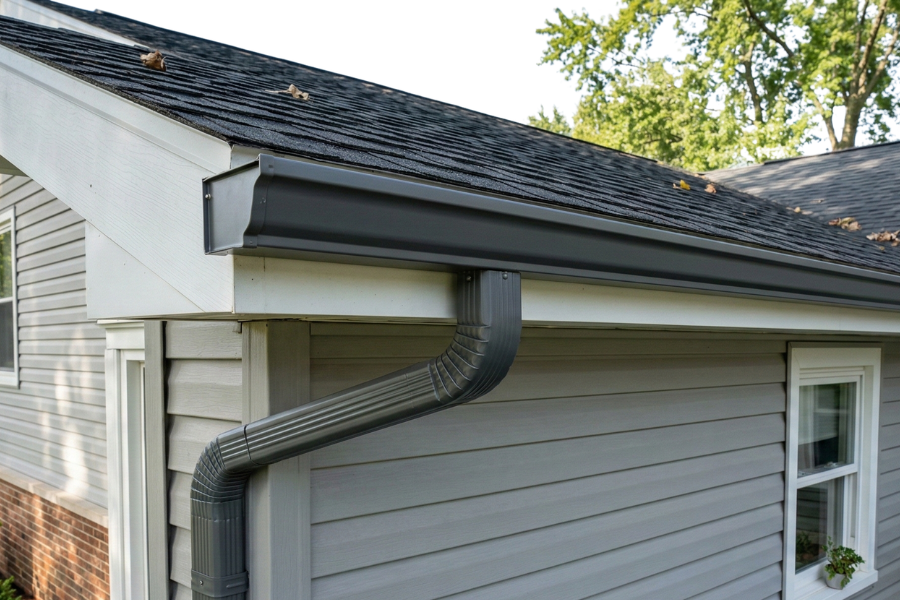
Maintaining a home requires consistent attention to the systems that protect it from the elements. Among the most critical components of a residential exterior are the siding and the gutters. Working in tandem, these features form the primary defense network against water infiltration, wind damage, pest infestations, and energy loss.
As a home ages, its exterior materials inevitably degrade. Postponing necessary updates to failing siding and gutter systems can lead to catastrophic structural consequences, including rot, mold, and foundational shifting. For homeowners facing the prospect of an exterior renovation, understanding the materials, indicators of failure, and implementation processes is essential to making informed investments.
Recognizing the Signals of Structural Failure
Exterior materials are engineered to endure harsh weather conditions, but they do possess finite lifespans. Recognizing the subtle and obvious signs of deterioration allows homeowners to intervene before interior damage occurs.
Indicators of Siding Degradation
Siding failure manifests differently depending on the underlying material, but universal warning signs exist:
-
Warping and Buckling: When siding panels shift, warp, or bow, it indicates that water has likely penetrated the moisture barrier beneath, causing the underlying wood sheathing to swell.
-
Frequent Painting Cycles: If wood or composite siding requires repainting every two to three years instead of the standard five to seven, the material is failing to retain its protective seal and is absorbing excessive moisture.
-
Cracking and Brittle Textures: Vinyl siding exposed to decades of ultraviolet radiation becomes brittle, leading to cracks and holes from minor impacts like hail or yard debris.
-
Interior Peeling and Mold: Often, the clearest sign of exterior failure appears indoors. If interior paint peels, wallpaper bubbles, or mold develops on the inside of exterior walls, water is penetrating the siding system.
Indicators of Gutter Failure
A compromised gutter system quickly destroys adjacent siding and roofing elements. Homeowners should look for:
-
Sagging and Separation: Gutters that pull away from the fascia board indicate heavy water accumulation, rusted fasteners, or rotting wood structures behind the brackets.
-
Cracks and Rust Spots: Small fractures or rust patches along the bottom of the troughs will eventually expand, leading to localized leaks that pour water directly onto the foundation.
-
Peeling Exterior Paint: Water cascading over clogged or improperly pitched gutters washes over the siding, leading to localized paint failure, wood rot, and dark staining on the exterior walls.
The Strategic Advantage of Simultaneous Replacement
When planning exterior renovations, homeowners frequently wonder whether they should tackle siding and gutters as separate projects. While budget constraints sometimes dictate a phased approach, replacing both components simultaneously offers distinct structural and financial advantages.
To install new siding properly around the roofline, contractors must work directly against the fascia boards where the gutters are attached. If old gutters remain in place, contractors may struggle to seal the top edge of the siding or install the necessary flashing correctly, increasing the risk of future leaks. Removing old gutters provides unhindered access to the entire exterior wall envelope, allowing for a seamless installation of the house wrap, insulation, and flashing profiles.
Furthermore, simultaneous replacement reduces labor costs. Setting up staging, scaffolding, and safety equipment accounts for a significant portion of contractor fees. By combining the projects, homeowners minimize the duration of property disruption and eliminate the duplicate labor expenses associated with hiring separate crews at different times.
Evaluating Modern Siding Materials
Choosing the right siding material requires balancing aesthetic preferences, regional climate demands, maintenance realities, and long-term budget goals.
Vinyl Siding
Vinyl remains the most widely installed siding material across North America due to its affordability and low maintenance requirements. Modern vinyl features improved UV inhibitors that resist fading and thicker profiles that offer better impact resistance than products manufactured decades ago. It never requires painting, making it an excellent choice for budget-conscious homeowners. However, it can melt if exposed to intense heat sources and may crack in extreme sub-zero temperatures.
Fiber Cement Siding
Constructed from a mixture of sand, cement, and cellulose fibers, fiber cement is renowned for its exceptional durability and realistic wood-grain appearance. It is completely fire-resistant, impervious to wood-boring insects, and handles moisture cycles without rotting. While it requires a higher initial investment in both materials and specialized labor, it offers superior longevity and can be repainted any color if aesthetic trends change.
Engineered Wood Siding
Engineered wood combines actual wood strands or fibers with waterproof resins and binders to create lightweight, highly durable panels. It is significantly lighter and easier to install than fiber cement, yet it provides excellent resistance to impact, fungal decay, and termites. It does require periodic painting along the factory-specified maintenance intervals to keep the warranty intact.
Selecting High-Performance Gutter Systems
Gutters are designed to channel thousands of gallons of water away from the home foundation annually. The configuration and material of the system dictate its efficiency and durability.
Seamless Aluminum Gutters
Sectional gutters purchased at local retail stores contain numerous joints that inevitably leak over time. Seamless aluminum gutters are custom-extruded on-site using a specialized machine to fit the exact dimensions of the roofline. Because they only feature seams at the corners, the risk of leakage is drastically reduced. Aluminum is lightweight, completely rust-proof, and available in a vast array of factory-applied colors.
Copper Gutters
For historic or high-end luxury homes, copper gutters offer unparalleled aesthetic appeal and durability. Copper naturally develops a rich green patina over time as it oxidizes. These systems are soldered together at the joints, making them virtually indestructible. A properly maintained copper gutter system can easily last up to eighty years, though the initial cost is substantially higher than aluminum.
The Installation Process: What to Expect
A complete siding and gutter replacement is a major construction project that completely transforms the exterior environment of a property. Understanding the standard timeline keeps homeowners prepared.
First, crews will systematically strip away the old gutters and siding down to the bare wood sheathing. This tear-out phase is loud and generates a significant amount of debris, which is managed via large on-site waste containers.
Once the sheathing is exposed, contractors inspect the underlying wood structure for hidden rot or insect damage, replacing compromised panels before proceeding.
Next, a modern weather-resistive barrier, commonly known as house wrap, is wrapped tightly around the home to allow interior moisture to escape while blocking exterior liquid water.
Flashing is meticulously installed around windows, doors, and architectural corners to direct water away from connection seams. The new siding is then systematically hung across the structure.
Finally, the seamless gutter crew arrives to measure, extrude, and mount the new gutter troughs and downspouts, completing the external protective shield.
Frequently Asked Questions
What is a house wrap, and is it absolutely necessary during a siding replacement?
Yes, a high-quality house wrap is non-negotiable. It serves as a secondary weather barrier installed between the wood sheathing of your home and the exterior siding. While siding sheds the majority of rain and snow, house wrap prevents the small amount of moisture that inevitably blows past the siding from reaching the wooden framing, protecting your home from structural rot and mold growth.
Can new siding be installed directly over top of old wood siding to save money?
While some contractors offer this option to lower initial costs, it is highly discouraged. Installing new siding over old material traps existing rot, mold, and pest infestations inside the wall cavity. It also prevents the installation of a modern moisture barrier and creates an uneven surface that can cause the new siding panels to warp or buckle over time.
How do I determine whether my home requires five-inch or six-inch gutters?
The correct gutter size depends on the total surface area and pitch of your roof, alongside the average rainfall intensity of your geographical region. Generally, five-inch gutters are standard for most average-sized residential homes with standard roof pitches. However, homes with large, steep roofs or complex rooflines often require six-inch gutters to manage the increased water volume without overflowing.
Do gutter guards eliminate the need for regular gutter maintenance?
Gutter guards significantly reduce the frequency of gutter cleaning by blocking large leaves, twigs, and debris from entering the troughs. However, they do not make a system completely maintenance-free. Fine debris, pine needles, and organic sludge can still pass through the mesh or accumulate on top of the guards, requiring an annual inspection and occasional rinsing to ensure optimal performance.
How far away from the foundation should gutter downspouts discharge water?
To protect your foundation from hydrostatic pressure, soil erosion, and basement flooding, downspouts should discharge water at least five to six feet away from the foundation walls. If your property layout limits surface extensions, contractors can install underground drainage pipes that route the water further away toward a rain garden or storm management system.
Does homeowner insurance cover the cost of replacing old siding and gutters?
Standard homeowner insurance policies are designed to cover sudden, accidental damage caused by covered perils, such as a severe hailstorm or a fallen tree. Insurance does not cover the cost of replacing siding or gutters that have naturally deteriorated over time due to age, normal wear and tear, or a lack of routine homeowner maintenance.
What is the ideal time of year to schedule a siding and gutter replacement?
While experienced crews can install siding and gutters year-round, autumn and spring offer the most predictable, mild weather conditions for installation. Extreme winter cold can make materials like vinyl brittle during cutting, while extreme summer heat can cause materials to expand significantly during placement, requiring precise installation adjustments to prevent future warping.